Security beefed up in major Tanzania cities amid Independence Day protest fears

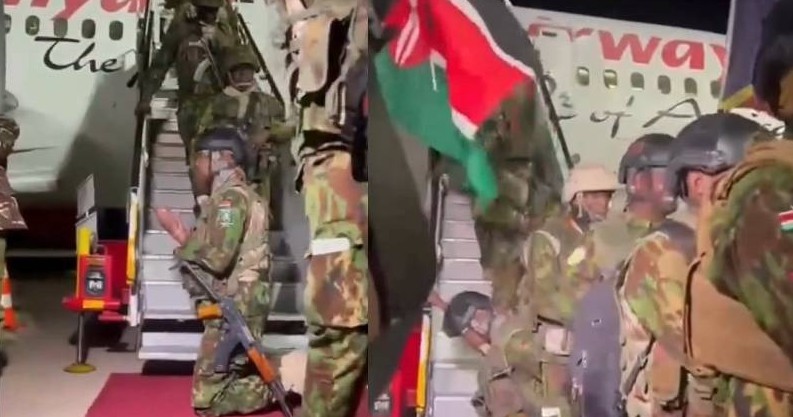
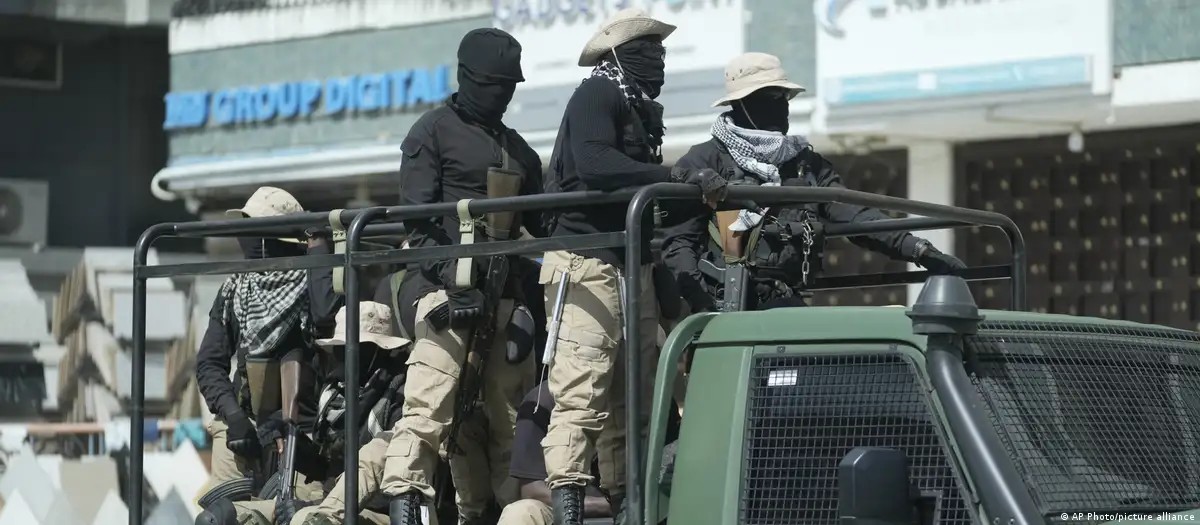
Reports from Dar es Salaam, Arusha, Mwanza, and Dodoma indicate an unusually heavy presence of police and military units, with armoured vehicles stationed at key intersections and government buildings.
Tanzania began December 9 peacefully, with a strong security presence reported in Dar es Salaam, Arusha, Mbeya, and Moshi. Many businesses, offices, and fuel stations remained closed as a precaution against potential unrest linked to past demonstrations.
BBC has observed that private and public offices, shops, and fuel stations were closed in several areas.
More To Read
- Tanzania streets deserted as police and soldiers quash Independence Day protests
- Sweden to phase out bilateral cooperation with Tanzania by August 2026
- Ghana issues rare rebuke over Tanzania’s post-election violence
- Tanzania dispatches envoy to Brussels to avert Sh23.3 billion EU aid freeze
- European Parliament moves to block Sh23.44 billion aid to Tanzania after post-election violence
- US Senate Committee on Foreign Relations calls for probe into Tanzania election violence
The closures reflect caution ahead of the Independence anniversary of Mainland Tanzania and the memories of the October 29 protests, which caused widespread damage to property.
Government records indicate that the October unrest destroyed 756 government offices, damaged 27 rapid-bus stations, and burned six buses.
Private homes, police stations, and fuel stations were also attacked, while thousands of vehicles, including private cars, motorcycles, and government vehicles, were burned. The impact of those events is still felt by many citizens today.
Tanzania’s government has declared that nationwide anti-government protests planned for today are unlawful, warning that participation could amount to an “attempted coup,” as heavy deployments of security forces were reported across major cities.
The demonstrations were called by activists and opposition groups to coincide with the anniversary of mainland Tanzania’s independence from Britain.
The protests come in the wake of violent suppression of demonstrations during the October elections, which observers describe as among the bloodiest in the country’s recent history.
According to the United Nations, hundreds of people were believed to have been killed when security forces cracked down on post-election protests sparked by the exclusion of several prominent opposition candidates from the ballot.
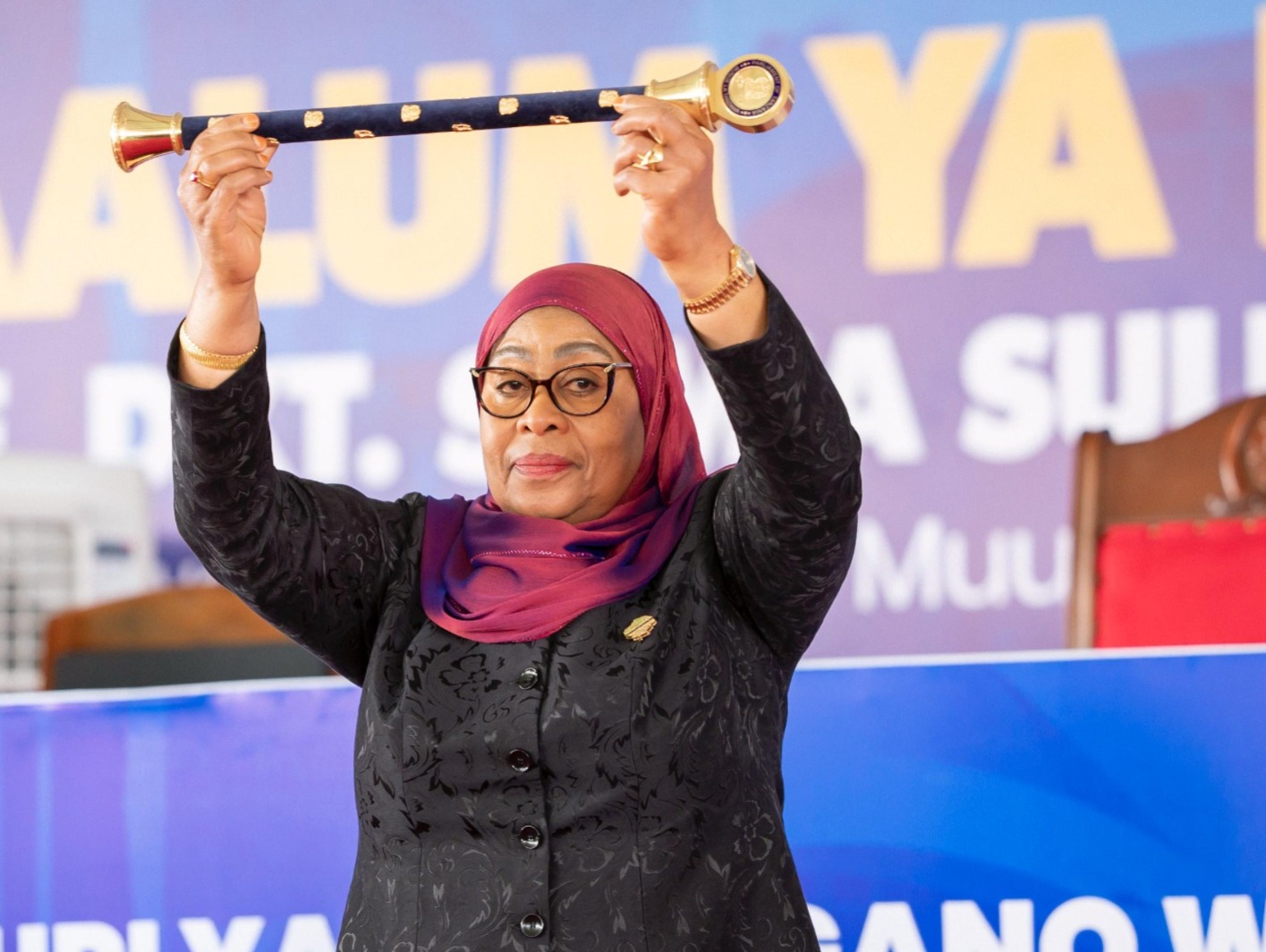
President Samia Suluhu Hassan was declared the winner with nearly 98 per cent of the vote, a result the opposition has rejected as illegitimate.
The Office of the UN High Commissioner for Human Rights (OHCHR) urged Tanzanian authorities to respect fundamental freedoms ahead of the planned demonstrations.
“We urge all authorities to ensure the rights to freedom of expression, peaceful assembly and association are fully respected,” the OHCHR said, adding that the international community is closely monitoring the situation.
Reports from Dar es Salaam, Arusha, Mwanza, and Dodoma indicate an unusually heavy presence of police and military units, with armoured vehicles stationed at key intersections and government buildings.
Authorities have warned that any gatherings, marches, or political assemblies today will be treated as illegal. Interior officials insist the measures are necessary to prevent what they describe as “organised attempts to destabilise the nation.”
Opposition leaders, however, accuse the government of weaponising the law to suppress dissent and prevent citizens from expressing frustration over what they describe as a growing democratic and human rights crisis.
Human rights organisations have warned that tensions could escalate rapidly if security forces respond aggressively to any attempted gatherings.
Diplomatic missions in Tanzania have also issued advisories, urging foreign nationals to avoid crowded areas, remain vigilant, and monitor developments closely.
As Tanzania marks another year since gaining independence, the country finds itself grappling with one of its most significant political and human rights challenges in decades, with both domestic and international actors calling for restraint, dialogue, and political reforms.
On Monday, the government advised citizens to remain at home if they had no urgent matters.
"The government advises all citizens who have no urgent matters on December 9, 2025, to use the day for rest, celebrating at home, except for those whose work responsibilities require them to be at their posts," Prime Minister Mwigulu Nchemba said.
Top Stories Today